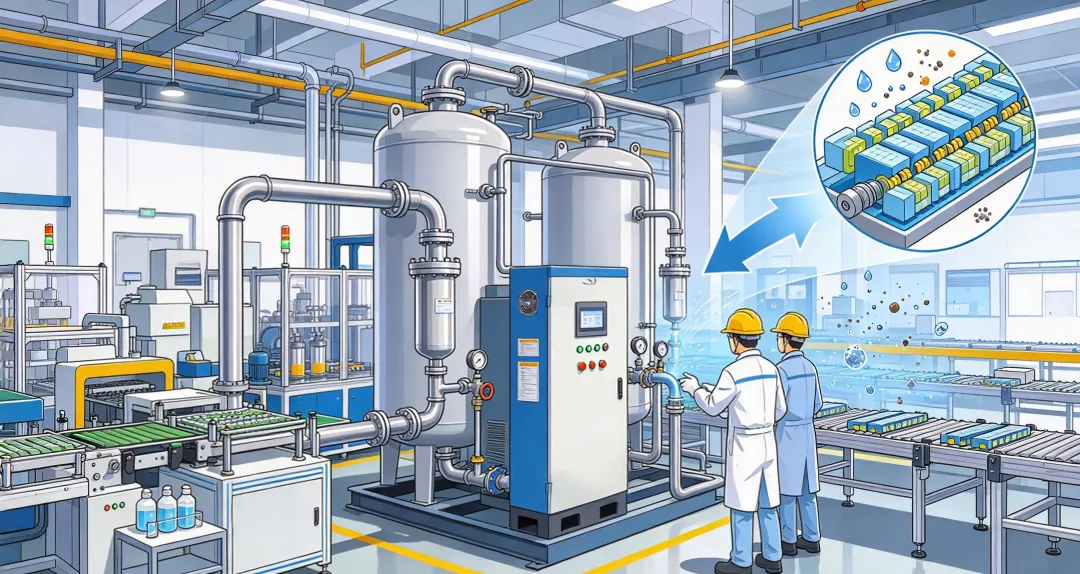
The 600HX Explosion-Proof Adsorption Dryer is designed for compressed air treatment in industrial environments where flammable gases, vapors, combustible dust, or other hazardous conditions may be present.
In these applications, drying performance alone is not enough. Equipment construction, electrical protection, sealing, grounding, temperature control, material compatibility, and installation conditions must all be considered together.
The 600HX Explosion-Proof Adsorption Dryer is intended to combine reliable compressed air drying with features suited to demanding industrial environments, while allowing regeneration gas consumption and dew-point performance to be adjusted according to operating requirements.
Why Is an Explosion-Proof Adsorption Dryer Needed?
Standard compressed air dryers are suitable for many manufacturing facilities, but hazardous production areas require additional consideration.
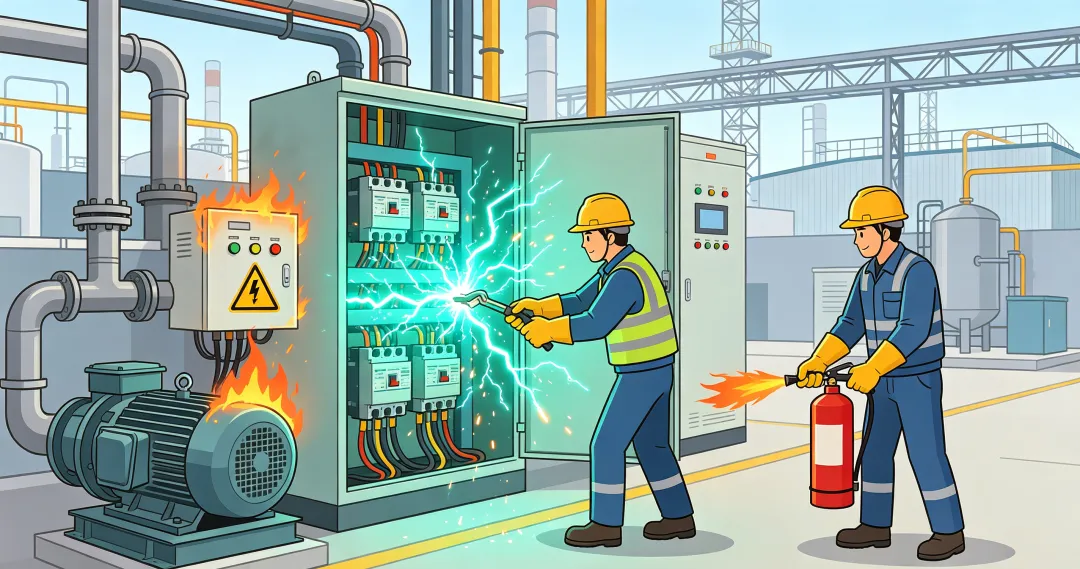
If flammable gases, vapors, or combustible dust are present, electrical or mechanical ignition sources can create serious safety risks. A dryer used in these environments therefore needs to be selected according to the site’s hazardous-area requirements rather than simply according to airflow capacity.
An explosion-proof adsorption dryer is designed to reduce these risks through measures such as protected electrical components, appropriate sealing, grounding, controlled operating temperatures, and materials selected for the environment.
The objective is to provide dry compressed air without introducing unnecessary ignition or contamination risks into the production area.
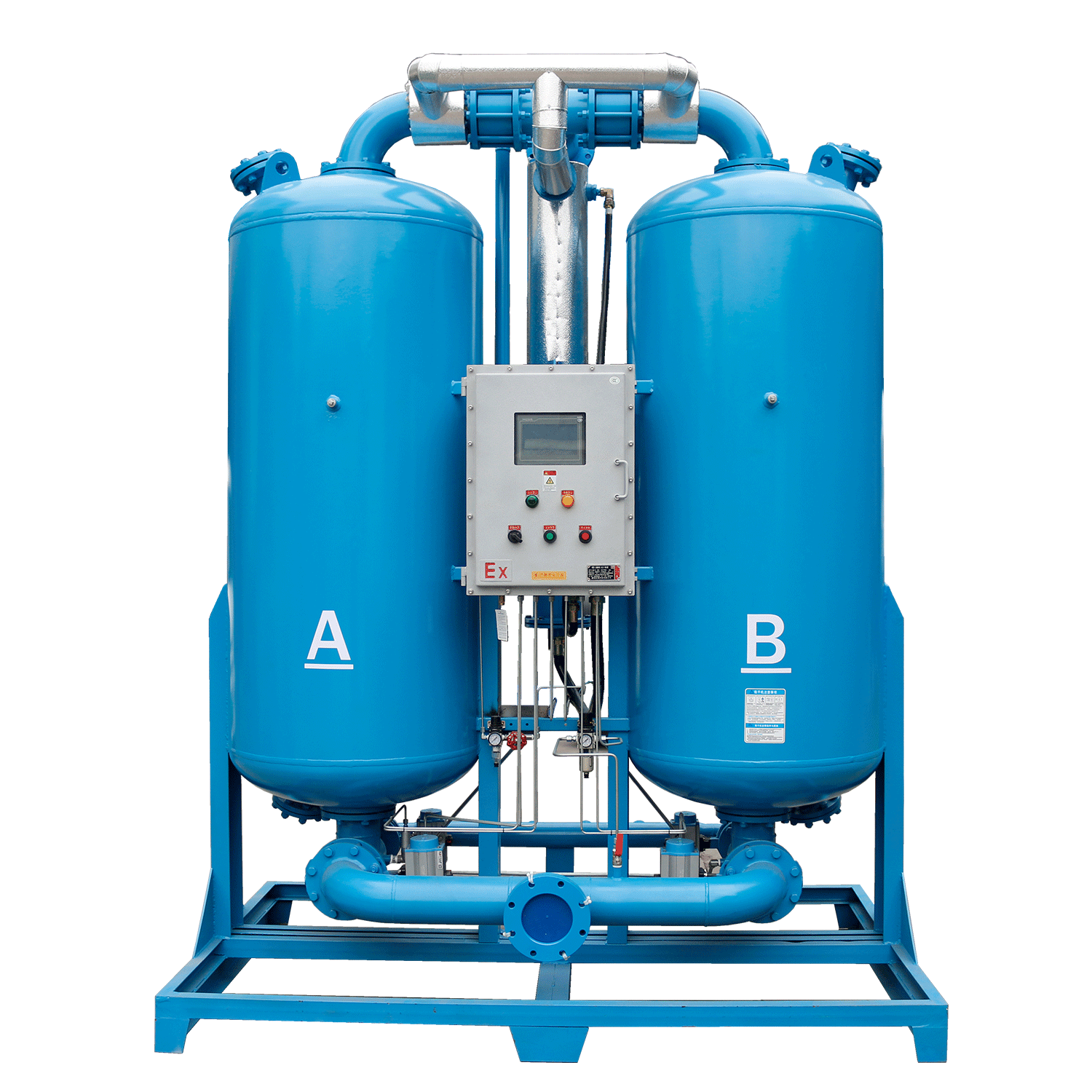
How Does the 600HX Adsorption Dryer Work?
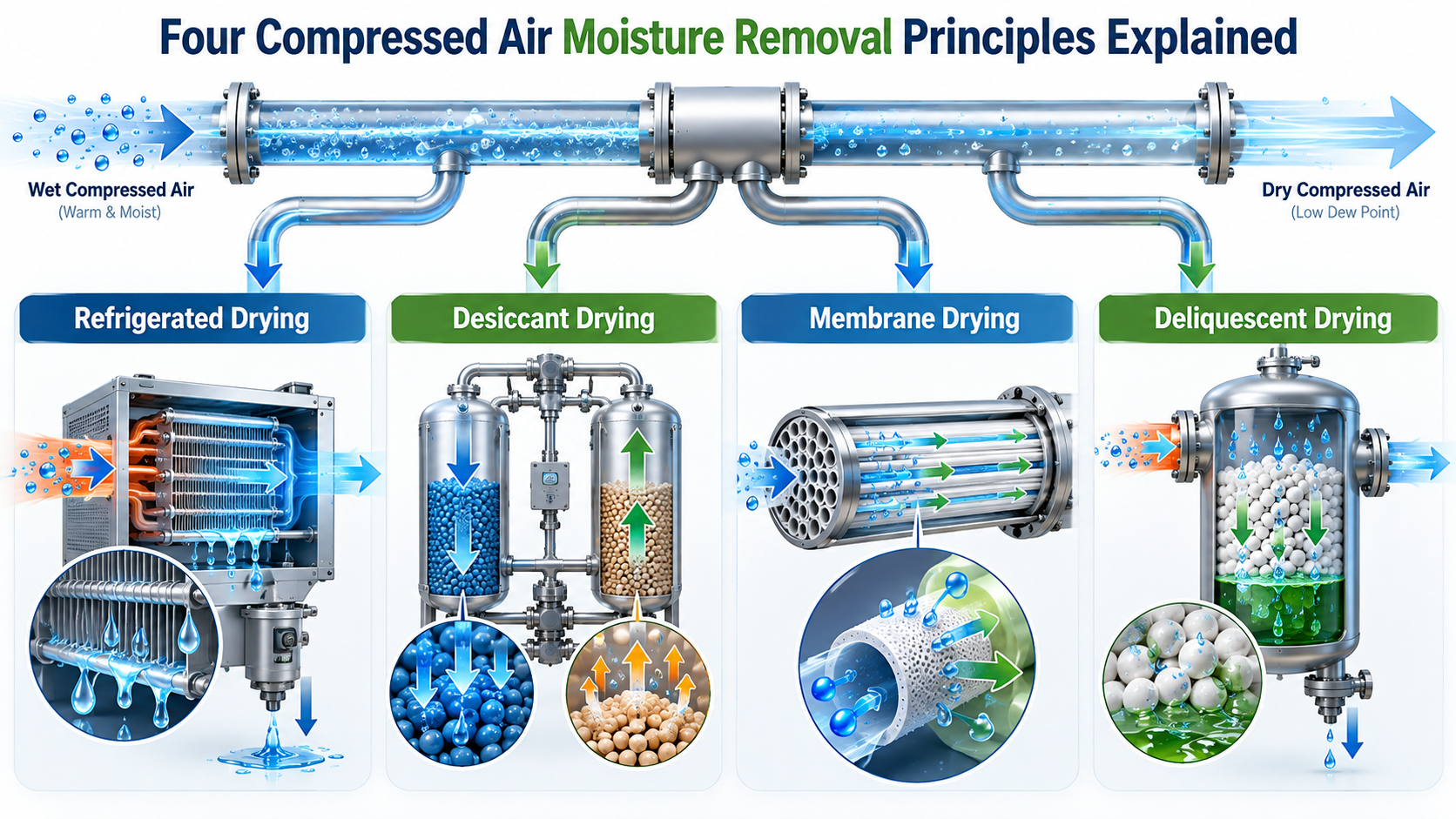
Like other regenerative desiccant air dryers, the 600HX removes water vapor by passing compressed air through an adsorption bed.
A typical twin-tower system operates continuously by alternating between two stages:
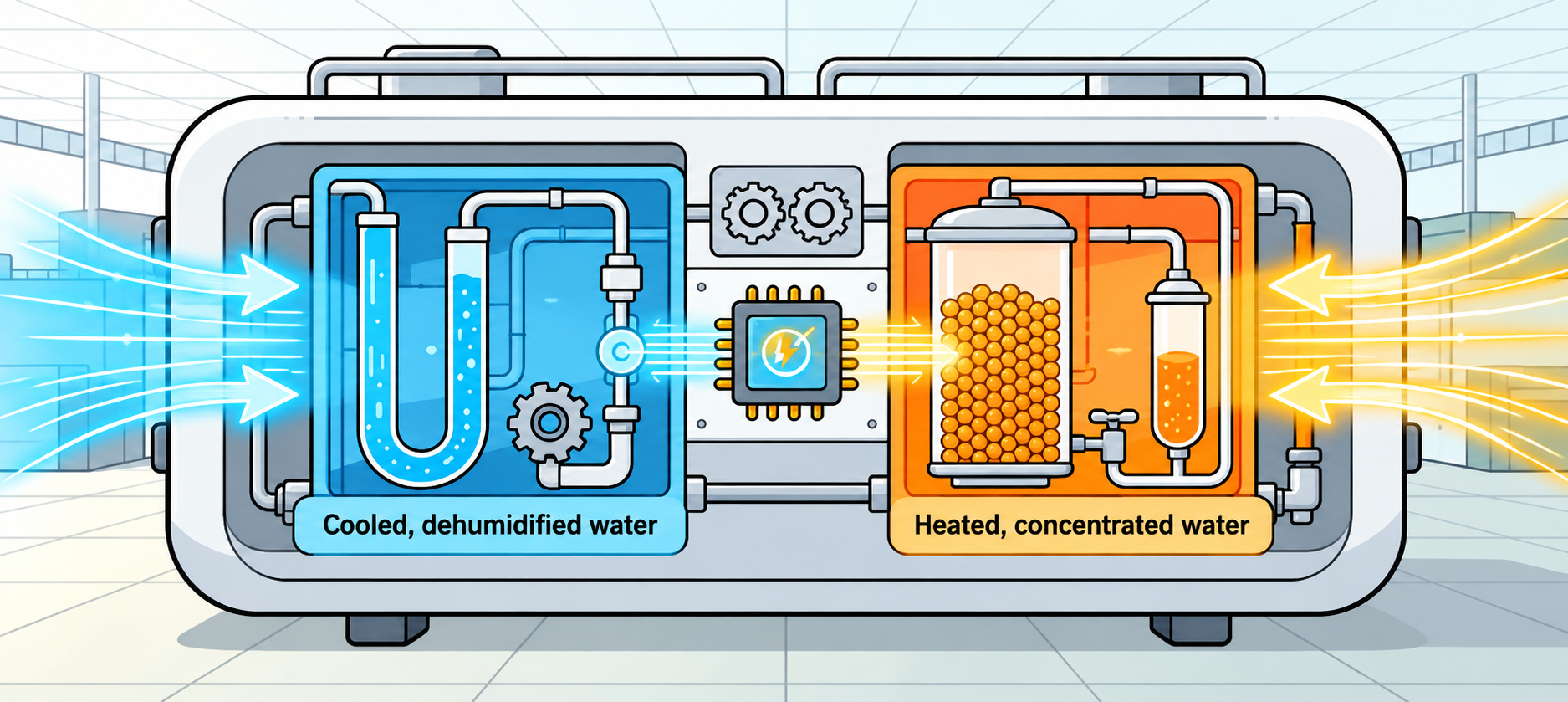
Adsorption: One vessel receives wet compressed air. Moisture is retained by the desiccant, and dry compressed air is delivered downstream.
Regeneration: The second vessel releases previously adsorbed moisture so that its drying capacity can be restored before returning to service.
The two vessels alternate between drying and regeneration, allowing the system to provide a continuous supply of dry compressed air.
For hazardous applications, the drying cycle must work together with appropriate explosion-protection measures so that safety is maintained throughout normal operation, regeneration, and switching.
Key Safety Features of the 600HX
Designed for Flammable and Explosive Environments
The 600HX is intended for applications where ordinary industrial equipment may not provide an appropriate level of protection.
Its explosion-proof design focuses on reducing ignition risks while maintaining reliable compressed air treatment.
Chemical Corrosion Resistance
Hazardous environments are not always hazardous because of ignition risk alone. Chemical plants, petrochemical facilities, and similar operations may also expose equipment to corrosive substances.
Suitable corrosion-resistant construction helps protect the dryer and contributes to longer-term operating reliability.
Special Sealing Design
Effective sealing is important where flammable gases or dust may be present around the equipment.
The 600HX uses a sealing-focused design intended to reduce the possibility of hazardous external contaminants entering sensitive parts of the unit.
Adjustable Regeneration Gas Consumption
Regeneration demand can vary with operating conditions and required outlet air quality.
The 600HX allows regeneration gas consumption to be adjusted so that users can balance dew-point performance and energy consumption according to process requirements.
Dew-Point Adjustment
Not every application requires the same level of compressed air dryness.
An adjustable operating strategy can help avoid unnecessary regeneration energy when a less demanding dew point is sufficient, while still supporting lower dew points for moisture-sensitive processes.
Where Are Explosion-Proof Adsorption Dryers Used?
Explosion-proof dryers are most relevant where compressed air treatment equipment operates in or near environments containing potentially flammable gases, vapors, or dust.
Petrochemical and Chemical Processing
Chemical production and petroleum processing can involve volatile gases, solvents, hydrocarbons, and other hazardous substances.
Reliable dry compressed air may be required for pneumatic instrumentation, process control, actuators, and production equipment. In these environments, the dryer configuration should be evaluated together with the hazardous-area classification and process requirements.
Lingyu provides compressed air treatment solutions for petrochemical and chemical processing applications.
Oil, Gas and Offshore Operations
Oil and gas facilities often rely heavily on compressed air for instrumentation and control. Equipment may also be exposed to corrosive atmospheres and demanding environmental conditions.
For oil, gas, offshore and marine applications, both environmental resistance and safety requirements should be considered during dryer selection.
Mining and Heavy Industry
Mining operations can involve combustible gases, dust, vibration, and harsh operating conditions.
A correctly configured dryer can support pneumatic equipment and control systems while helping maintain reliable compressed air quality in mining and heavy industry.
Pharmaceutical Production
Certain pharmaceutical processes require carefully controlled compressed air quality, while some production areas may also involve volatile substances or powders.
For pharmaceutical and biopharmaceutical production, dryer selection should consider both air-quality requirements and the conditions of the installation area.
Food and Powder Handling
Food production is not inherently an explosion-risk application, but processes involving fine combustible powders may require additional precautions.
Where dry compressed air is used in conveying, packaging, or production equipment, the treatment system should be selected according to the actual process environment. More application information is available for food and beverage production.
Other potential applications can include coatings, material processing, energy production, specialty manufacturing, and other facilities where the installation area has specific explosion-protection requirements.
Hazardous-Area Classification Comes Before Dryer Selection
One of the most important steps is determining where the dryer will be installed.
Hazardous areas may be classified differently according to the type of combustible material, how frequently an explosive atmosphere may occur, and the applicable local regulations.
Before selecting the 600HX, the engineering team should establish:
- Type of flammable gas, vapor, or combustible dust present
- Hazardous-area classification of the installation location
- Required equipment protection level
- Ambient temperature conditions
- Required enclosure and environmental protection
- Electrical supply requirements
- Applicable local or project safety standards
Standards such as ATEX, IECEx, or regional electrical codes may apply depending on the country and project. The required certification and protection level should therefore be confirmed for the specific installation rather than assumed from the dryer model name alone.
Selecting the Right 600HX Configuration
Explosion protection is only one part of correct dryer selection.
The dryer must also be sized for the actual compressed air system. Important selection parameters include:
- Actual airflow
- Inlet pressure
- Inlet temperature
- Required pressure dew point
- Ambient temperature
- Compressor operating profile
- Required regeneration method
- Acceptable regeneration air consumption
- Installation environment
- Gas or chemical exposure
- Required materials of construction
- Available space for maintenance
An adsorption dryer that is selected only according to compressor nameplate airflow may not perform as expected when inlet temperature, pressure, or operating load changes.
For projects with unusual operating conditions, the dryer configuration should be evaluated using actual site data.
Why Pre-Filtration and After-Filtration Matter
An explosion-proof adsorption dryer still depends on properly treated inlet air.
Oil aerosols, liquid water, particles, and other contaminants entering the adsorption bed can reduce desiccant performance and shorten its useful life.
Appropriate upstream filtration helps protect the dryer, while downstream filtration can help prevent desiccant particles from reaching sensitive equipment.
A suitable precision compressed air filter can therefore be integrated into the treatment system according to the required final air quality.
Condensate separation and drainage should also be properly managed before the adsorption stage.
Installation Guidelines for Hazardous Environments
Installation quality directly affects both safety and dryer reliability.
The installation location should provide adequate ventilation and sufficient clearance for inspection, servicing, and component replacement. Heat generated during operation or regeneration should not be allowed to accumulate around the equipment.
Electrical wiring, cable entries, connectors, control equipment, and accessories used within a classified area should meet the protection requirements defined for that location.
Grounding should also be checked carefully. A reliable grounding system helps control static electricity and should remain part of routine inspection.
Pipework should be properly supported so that excessive mechanical loads are not transferred to dryer connections.
The installation should also allow convenient access to filters, valves, adsorbent vessels, control components, and other service points.
Maintenance for Long-Term Safety and Reliability
Preventive maintenance is particularly important when equipment operates in a hazardous area.
Operators should regularly inspect:
- Grounding connections
- Electrical enclosures and cable entries
- Sealing points
- Pneumatic valves
- Adsorbent condition
- Pre-filter and after-filter condition
- Pressure drop
- Outlet dew point
- Regeneration performance
- Temperature monitoring devices
- Drainage components
- Pipe connections
Changes in dew point, pressure drop, regeneration behavior, or valve switching can indicate developing problems before a complete dryer failure occurs.
Maintenance work in classified areas should follow the site’s established safety procedures, and replacement electrical components should meet the required protection level for the installation.
Balancing Safety and Energy Efficiency
Explosion-proof design should never be compromised for energy savings. However, once the required safety level has been established, the drying process can still be optimized.
The adjustable regeneration function of the 600HX allows regeneration gas demand to be matched more closely to the required drying performance.
This can be valuable when compressed air demand varies during production. Instead of using more regeneration air than necessary, the system can be configured around the actual dew-point requirement and operating conditions.
Lower pressure loss throughout the complete compressed air treatment system is also important because unnecessary pressure drop increases the workload on the compressor.
Energy optimization should therefore consider the dryer, filters, piping, operating pressure, regeneration strategy, and downstream demand as one complete system.
Why Choose the 600HX Explosion-Proof Adsorption Dryer?
The 600HX is intended for industrial users that need both reliable moisture control and equipment designed for hazardous operating environments.
Its key advantages include:
- Suitability for flammable and explosive operating environments
- Corrosion-resistant design for demanding industrial conditions
- Special sealing to help isolate internal equipment from hazardous external contaminants
- Adjustable regeneration gas consumption
- Dew-point adjustment for different process requirements
- Reliable adsorption drying for continuous industrial use
- Compatibility with complete compressed air purification systems
The correct configuration should always be matched to the site’s actual hazardous-area classification and compressed air requirements.
Reliable Dry Air for Demanding Industrial Environments
The 600HX Explosion-Proof Adsorption Dryer is more than a moisture-removal device. In hazardous production environments, the dryer becomes part of the overall safety and compressed air quality strategy.
Correct selection requires a combined evaluation of explosion-protection requirements, airflow, pressure, temperature, target dew point, contamination level, materials, and installation conditions.
When these factors are properly matched, the 600HX can provide stable dry compressed air while supporting safer and more reliable operation in demanding industrial environments.
For a project-specific configuration, contact Lingyu with your airflow, inlet pressure, inlet temperature, required dew point, installation environment, and hazardous-area classification.