What Is an Air Dryer Governor?
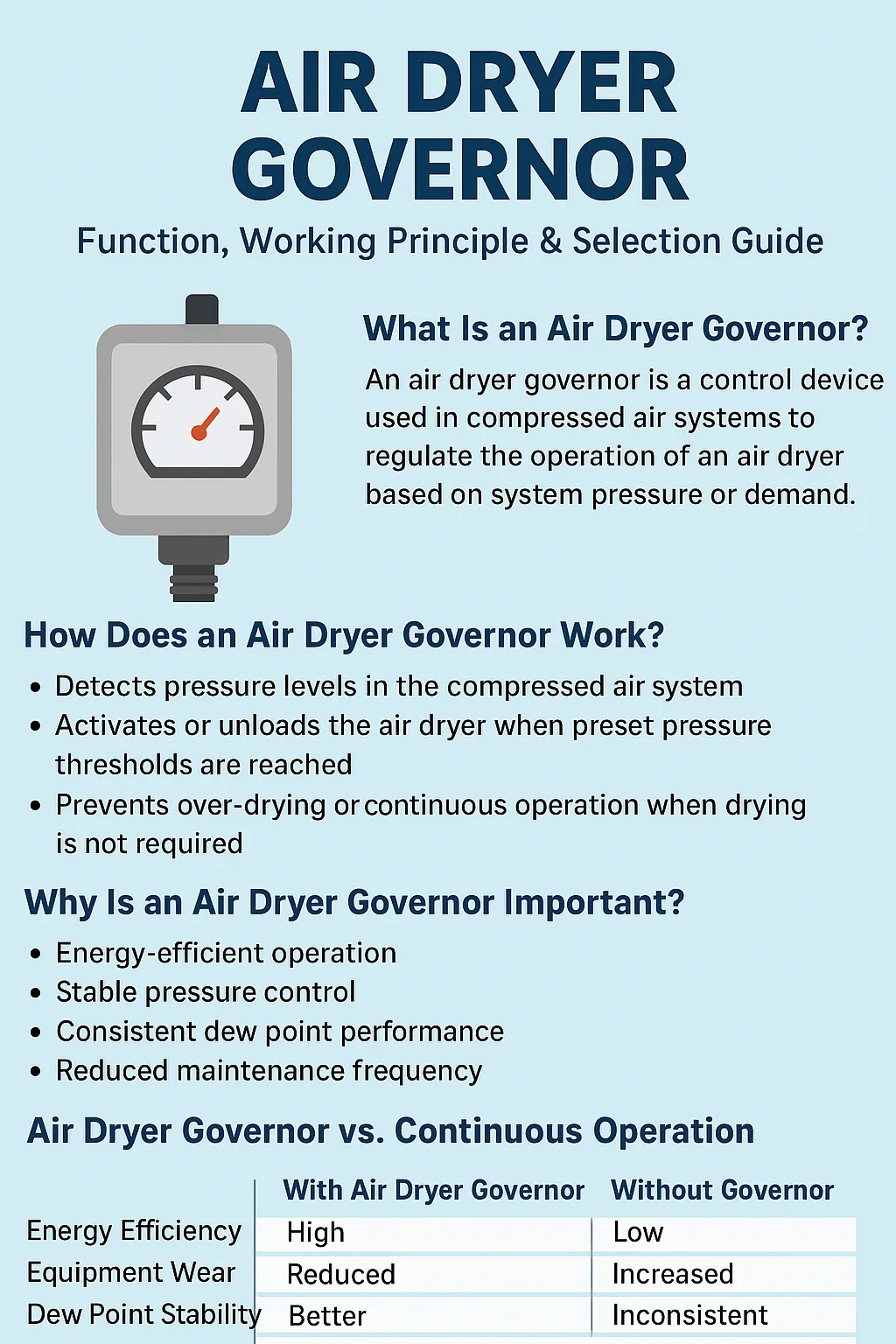
An air dryer governor is a control device used in compressed air systems to regulate the operation of an air dryer based on system pressure or demand.
Its primary function is to optimize air dryer performance, reduce unnecessary energy consumption, and ensure a stable supply of dry compressed air.
Air dryer governors are commonly found in industrial compressed air systems, especially where air quality, pressure stability, and energy efficiency are critical.
How Does an Air Dryer Governor Work?
An air dryer governor monitors system pressure and operating conditions, then controls when the air dryer should run or stop.
In simple terms, it:
Detects pressure levels in the compressed air system
Activates or unloads the air dryer when preset pressure thresholds are reached
Prevents over-drying or continuous operation when drying is not required
By matching dryer operation with actual system demand, the governor helps extend equipment life and lowers operating costs.
Why Is an Air Dryer Governor Important?
Using an air dryer without proper control can lead to:
Excessive energy consumption
Unnecessary wear on compressors and dryers
Unstable pressure and inconsistent air quality
An air dryer governor helps solve these issues by providing:
Energy-efficient operation
Stable pressure control
Consistent dew point performance
Reduced maintenance frequency
This is especially important in applications such as manufacturing, automotive, food processing, and electronics production.
Air Dryer Governor vs. Continuous Operation
| Aspect | With Air Dryer Governor | Without Governor |
|---|---|---|
| Energy Efficiency | High | Low |
| Equipment Wear | Reduced | Increased |
| Dew Point Stability | Better | Inconsistent |
| Operating Cost | Optimized | Higher |
For modern industrial systems, using a governor is no longer optional—it is a best practice.
Relationship Between Air Dryer Governor and Refrigerated Air Dryers
A refrigerated air dryer removes moisture by cooling compressed air and condensing water vapor.
When combined with an air dryer governor:
The dryer only operates when moisture removal is necessary
Energy consumption is significantly reduced during low-load periods
Overall system efficiency improves
This combination is ideal for applications requiring moderate dew point levels (typically +2°C to +10°C).
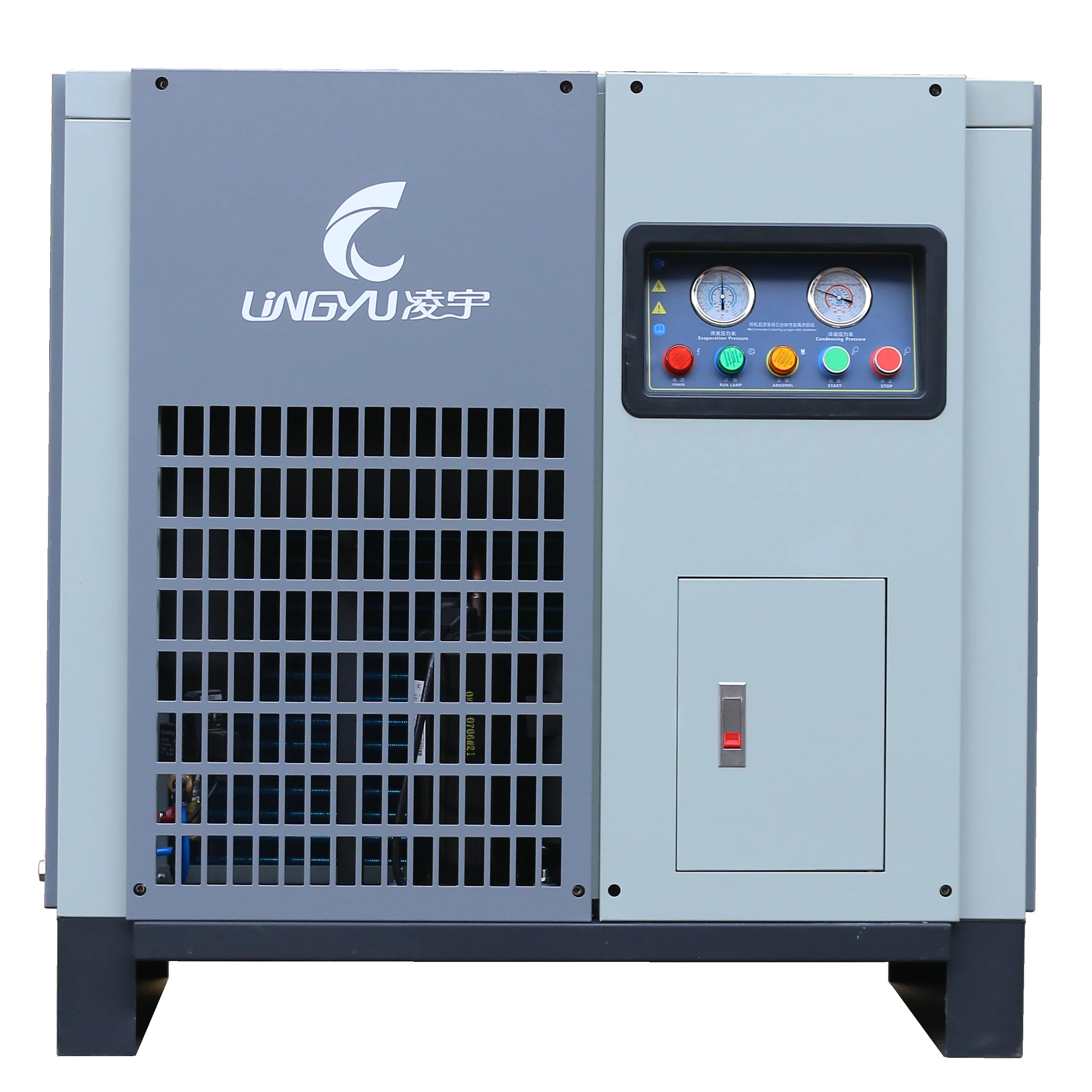
Recommended for:
General manufacturing
Automotive assembly
Pneumatic tools
Packaging lines
Relationship Between Air Dryer Governor and Desiccant Air Dryers
A desiccant air dryer uses adsorption materials to achieve very low pressure dew points (−20°C to −70°C).
In these systems, an air dryer governor plays an even more critical role.
Benefits include:
Optimized regeneration cycles
Reduced purge air loss
Stable ultra-dry air quality
Lower total cost of ownership
This setup is essential for industries requiring ultra-dry compressed air.
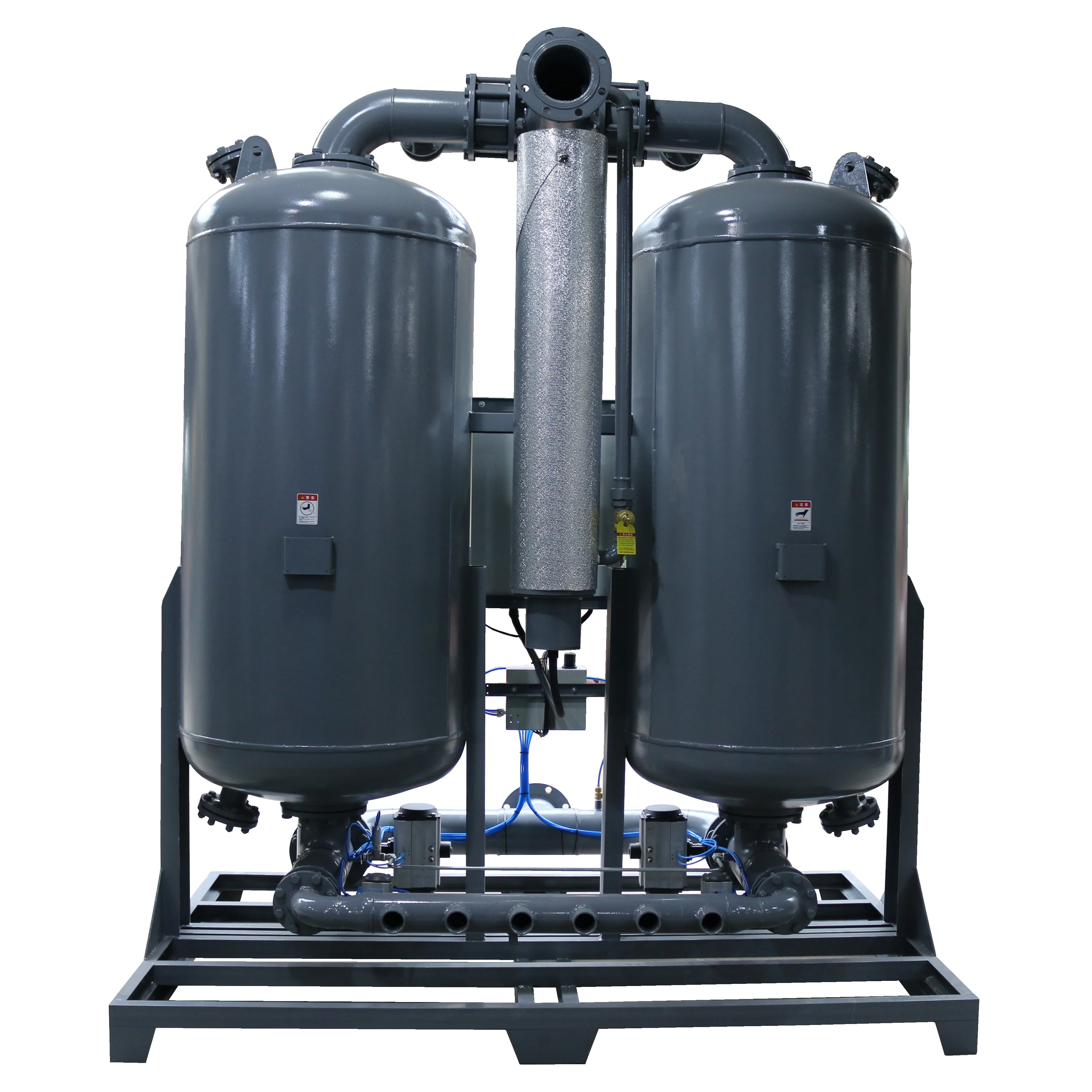
Recommended for:
Electronics manufacturing
Pharmaceutical production
Instrument air systems
Chemical and petrochemical plants
How to Choose the Right Air Dryer with a Governor
When selecting an air dryer and governor combination, consider:
Required Dew Point
Moderate → Refrigerated Air Dryer
Very Low → Desiccant Air Dryer
Operating Environment
Stable indoor conditions
High humidity or harsh environments
Energy Efficiency Goals
Governor-controlled systems significantly reduce long-term costs
System Size and Air Demand
Larger systems benefit more from intelligent control
Conclusion
An air dryer governor is a key component in any modern compressed air system.
When properly integrated with refrigerated air dryers or desiccant air dryers, it ensures optimal performance, stable air quality, and energy-efficient operation.
If you are upgrading or designing an industrial compressed air system, choosing the right air dryer and governor combination is essential for long-term reliability and cost control.