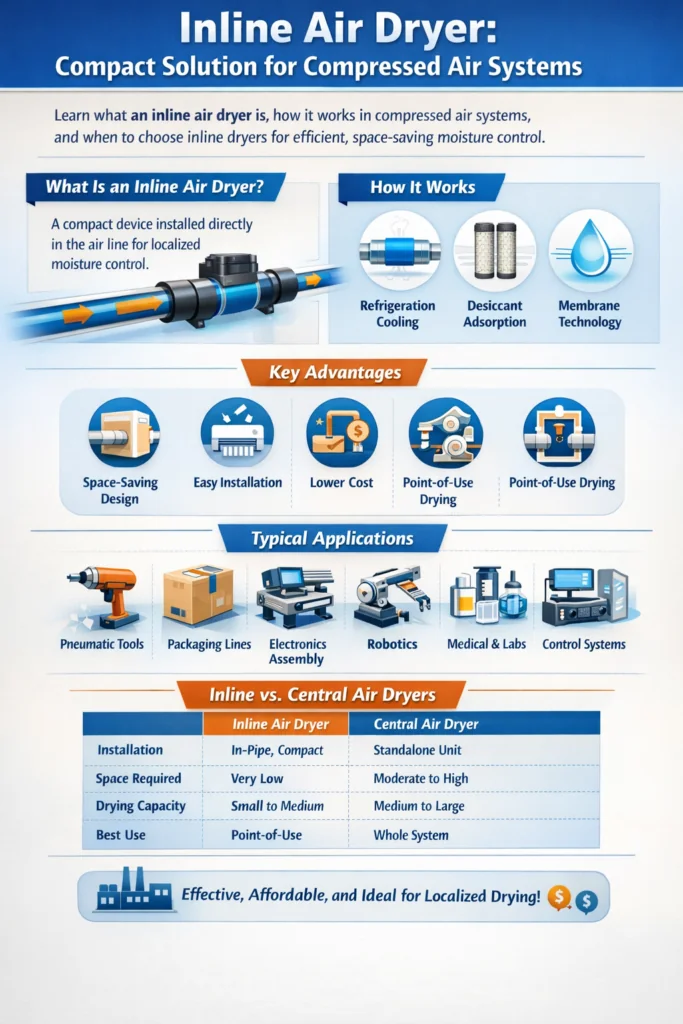
What Is an Inline Air Dryer?
An inline air dryer is a compact moisture removal device installed directly into a compressed air pipeline.
Unlike standalone air dryers that require separate installation space, inline air dryers are designed to be mounted in-line, making them ideal for localized drying and point-of-use applications.
Inline air dryers are widely used in industrial compressed air systems where space is limited, airflow demand is moderate, and stable air quality is required close to the application.
How Does an Inline Air Dryer Work?
An inline air dryer operates by removing moisture from compressed air as it flows through the pipeline.
Depending on the design, it may use:
Refrigeration cooling to condense and drain moisture
Desiccant adsorption to capture water vapor
Membrane technology for lightweight, oil-free air drying
Because the dryer is installed directly in the air line, moisture is removed immediately before use, minimizing the risk of condensation downstream.
Key Advantages of Inline Air Dryers
Inline air dryers offe
Compact and space-saving design
Easy installation without major system modification
Lower initial cost compared to central drying systems
Point-of-use drying for sensitive equipment
Reduced pressure loss when properly selected
These advantages make inline air dryers especially attractive for decentralized compressed air setups.
Typical Applications of Inline Air Dryers
Inline air dryers are commonly used in applications such as:
Pneumatic tools and cylinders
Packaging and labeling equipment
Robotics and automation lines
Electronics assembly and testing
Medical and laboratory air supply
Instrument air for control systems
In these applications, even small amounts of moisture can cause corrosion, malfunction, or product defects.
Inline Air Dryer vs. Central Air Dryer
| Aspect | Inline Air Dryer | Central Air Dryer |
|---|---|---|
| Installation | In-pipe, compact | Standalone unit |
| Space Requirement | Very low | Moderate to high |
| Drying Capacity | Small to medium | Medium to large |
| Best Use | Point-of-use | Whole system |
| Flexibility | High | Lower |
Inline air dryers are not a replacement for large industrial dryers, but they are an excellent supplementary solution where localized drying is required.
Relationship Between Inline Air Dryers and Refrigerated Air Dryers
Inline air dryers are often used downstream of refrigerated air dryers.
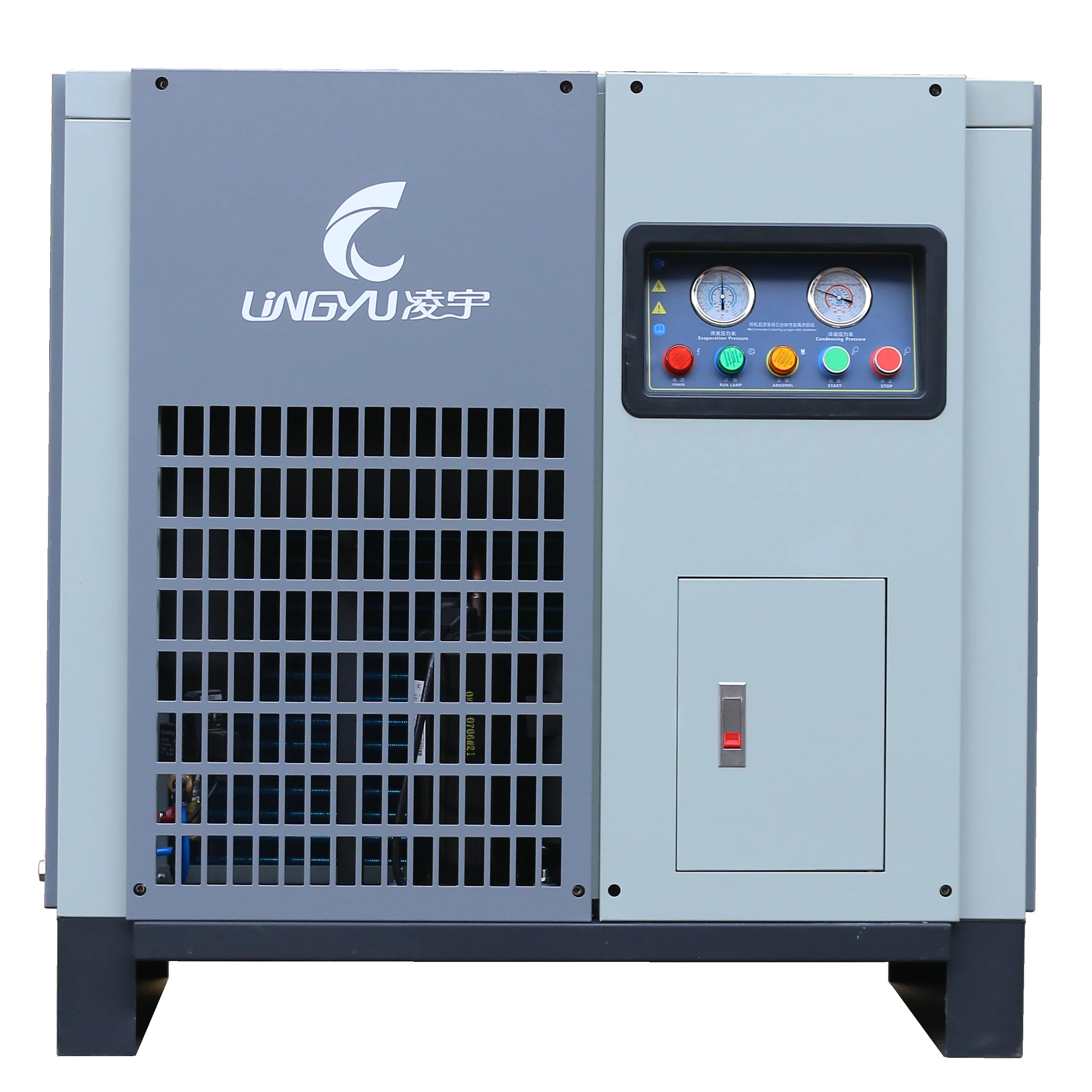
In this configuration:
The refrigerated air dryer removes bulk moisture
The inline air dryer polishes remaining humidity at critical points
Overall system reliability and dew point stability improve
This setup is common in general manufacturing and automotive applications.
Relationship Between Inline Air Dryers and Desiccant Air Dryers
For applications requiring very low dew points, inline air dryers can be combined with desiccant air dryers.
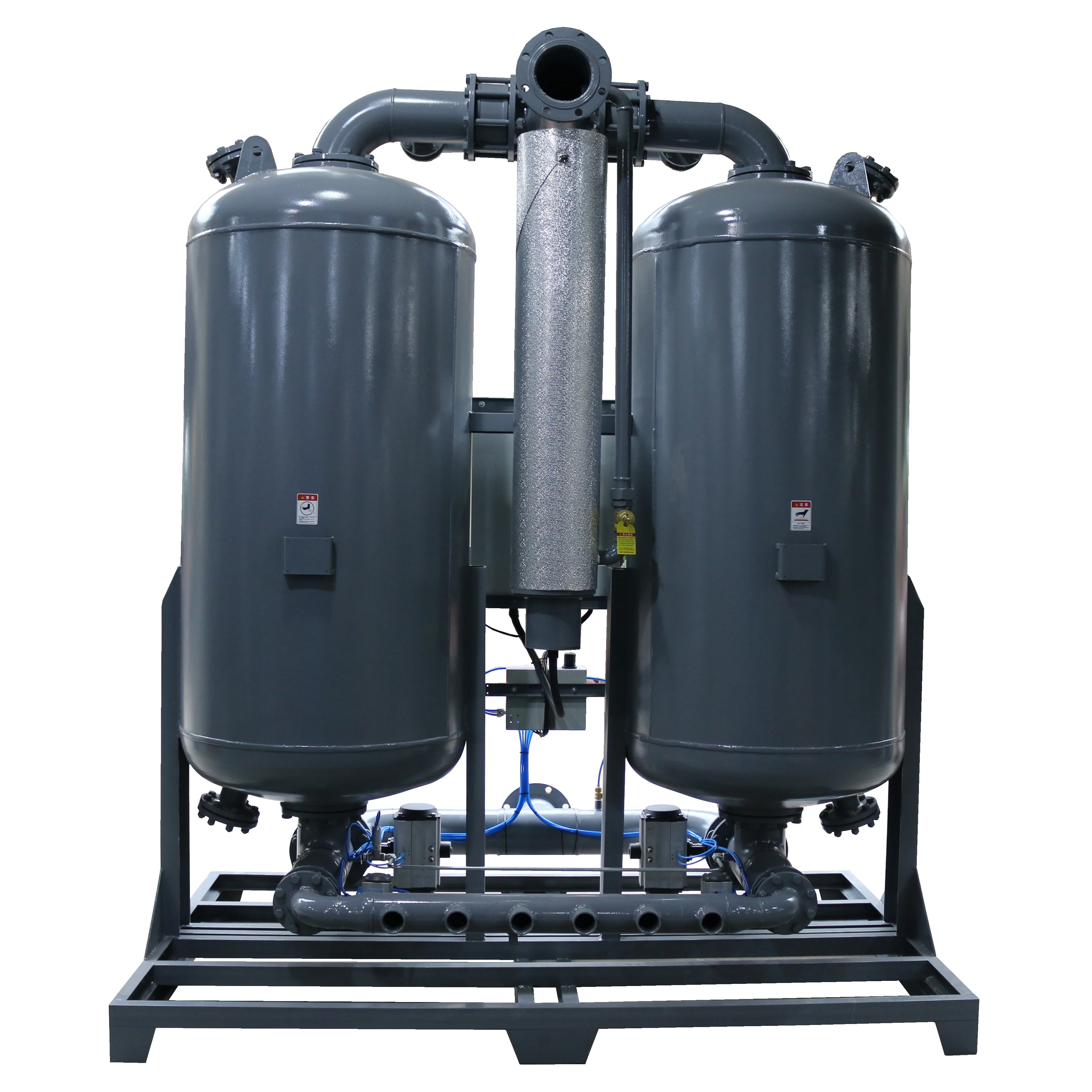
Benefits include:
Enhanced protection for sensitive equipment
Reduced risk of condensation at end-use points
Improved consistency in ultra-dry air delivery
This combination is often used in electronics, pharmaceutical, and precisio
How to Choose the Right Inline Air Dryer
When selecting an inline air dryer, consider the following factors:
Required Dew Point
Moderate → Refrigerated or membrane inline dryer
Low → Desiccant inline dryer
Air Flow Rate
Ensure the inline dryer matches the actual consumption at the point of use.
Operating Pressure and Temperature
Higher pressure and temperature require appropriately rated models.
Air Quality Requirements
Oil-free or sterile air applications may need specialized inline dryers.
Conclusion
An inline air dryer is a practical and efficient solution for localized moisture control in compressed air systems.
When used alone or in combination with refrigerated and desiccant air dryers, inline air dryers help improve air quality, protect equipment, and enhance overall system performance.
For industrial users seeking compact, flexible, and cost-effective air drying solutions, inline air dryers are an essential component of modern compressed air systems.