The HH Series Heatless Regeneration Adsorption Dryer is designed for compressed air systems that require a consistently low pressure dew point without using an external regeneration heater.
Using activated alumina combined with high-performance molecular sieve, the HH Series can deliver a pressure dew point of ≤−40°C under specified operating conditions. Its heatless regeneration design keeps the system relatively simple while providing reliable drying for moisture-sensitive industrial applications.
For users evaluating this model, the HH Series Heatless Regeneration Adsorption Dryer is available in standard capacities from 1.5 to 150 m³/min, with customized solutions available for special operating requirements.
How Does the HH Series Heatless Adsorption Dryer Work?
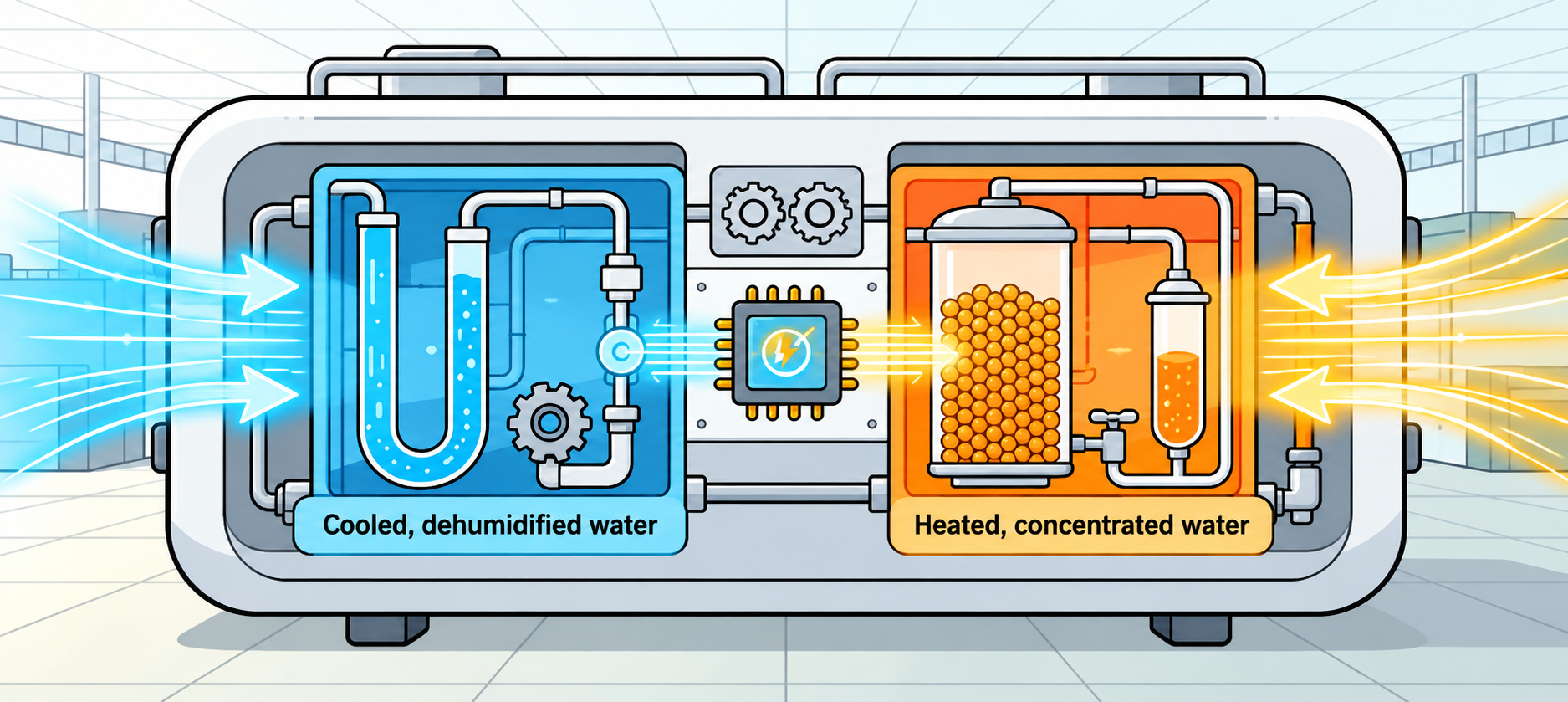
The HH Series uses pressure swing adsorption to remove water vapor from compressed air.
A typical twin-tower system alternates between two operating stages. While one vessel is drying the compressed air, the second vessel is being regenerated.
During the adsorption stage, wet compressed air passes through the desiccant bed. Water vapor is adsorbed by the activated alumina and molecular sieve, allowing dry compressed air to leave the dryer.
During the regeneration stage, part of the dry outlet air is expanded and passed through the saturated desiccant bed. The lower-pressure purge air removes the adsorbed moisture and carries it out of the system.
Because this regeneration method does not require an external heater, the dryer has a straightforward operating structure and can be suitable for facilities that prioritize dependable low-dew-point performance and simple maintenance.
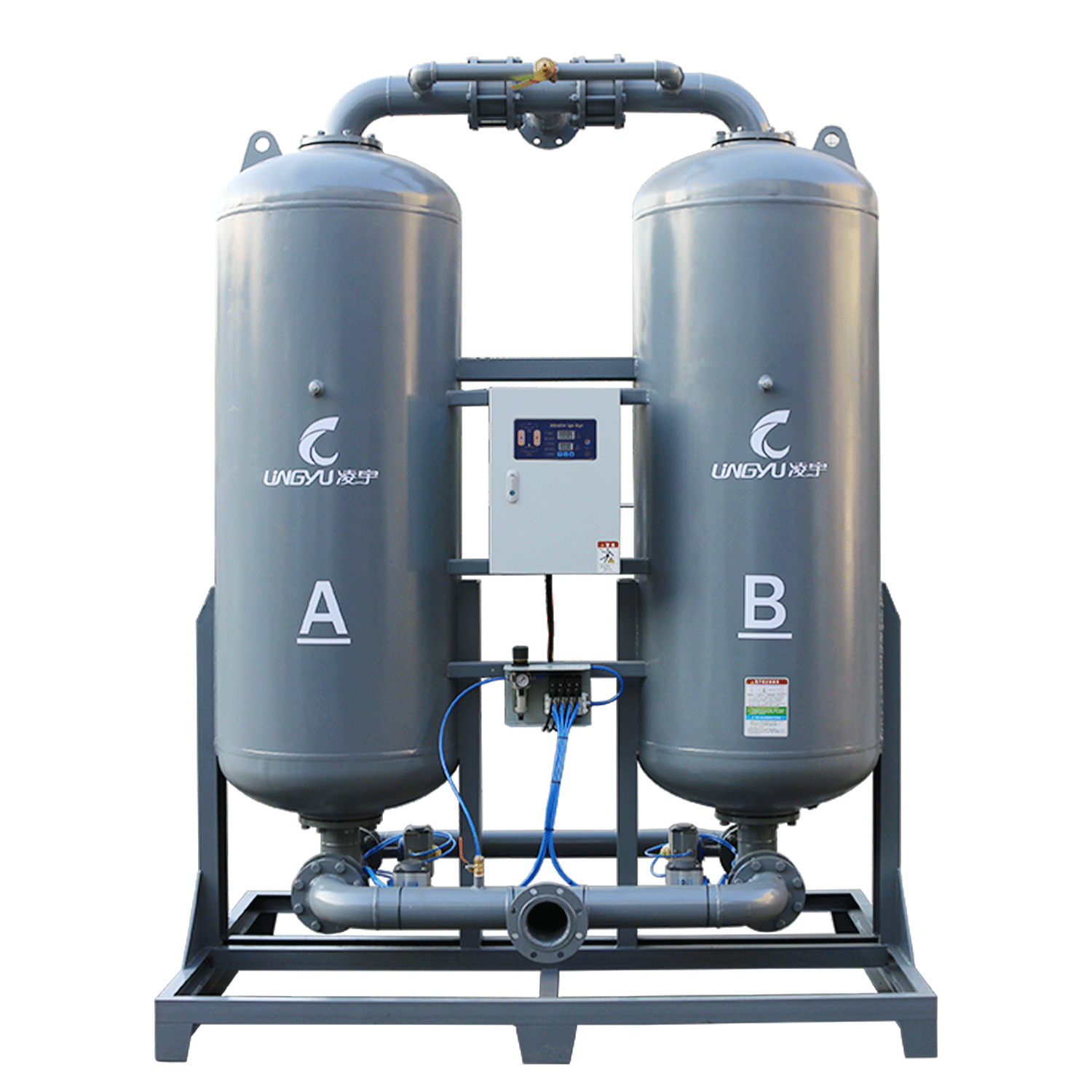
HH Series Operating Conditions
The standard operating conditions of the HH Series include:
- Applicable Medium: Compressed air / non-corrosive air
- Rated Inlet Pressure: 0.7 MPa
- Operating Pressure Range: 0.6–1.0 MPa
- Rated Inlet Temperature: 10–30°C
- Maximum Inlet Temperature: ≤40°C
- Average Purge Air Consumption: 8–14%
- Outlet Pressure Dew Point: ≤−40°C
- Desiccant: Activated alumina + high-performance molecular sieve
- Rated Ambient Temperature: 35°C
- Ambient Operating Range: 2–45°C
For capacities above 150 m³/min or projects involving special pressures, materials, temperatures, or other operating requirements, the system can be configured according to the application.
How to Select the Right HH Series Dryer
Correct dryer selection should be based on the actual compressed air conditions rather than nominal compressor capacity alone.
Determine the Actual Airflow Requirement
The dryer must be able to handle the maximum airflow expected during production.
The standard HH Series covers airflow requirements from approximately 1.5 to 150 m³/min. When evaluating capacity, consider peak demand rather than only average air consumption.
A reasonable capacity margin can be useful where airflow changes during production, but excessive oversizing should also be avoided because it can increase capital cost without providing a corresponding operational benefit.
Check Inlet Pressure
The standard HH Series is rated at 0.7 MPa and operates within a normal range of 0.6–1.0 MPa.
Actual pressure affects how much air the dryer can process. If operating pressure differs significantly from the rated condition, the required dryer capacity should be evaluated accordingly.
Consider Inlet Temperature
Inlet temperature has a major influence on moisture load.
The standard rated inlet temperature is 10–30°C, with a maximum allowable inlet temperature of 40°C. Higher compressed air temperatures carry more water vapor and can increase the load on the desiccant.
Proper upstream cooling and condensate removal can therefore improve adsorption dryer performance.
Define the Required Pressure Dew Point
The HH Series is designed for applications requiring an outlet pressure dew point of ≤−40°C.
Before choosing this type of dryer, determine whether the downstream process actually requires such a low dew point. If the application has less demanding moisture requirements, another drying technology may provide a more appropriate balance between performance and operating cost.
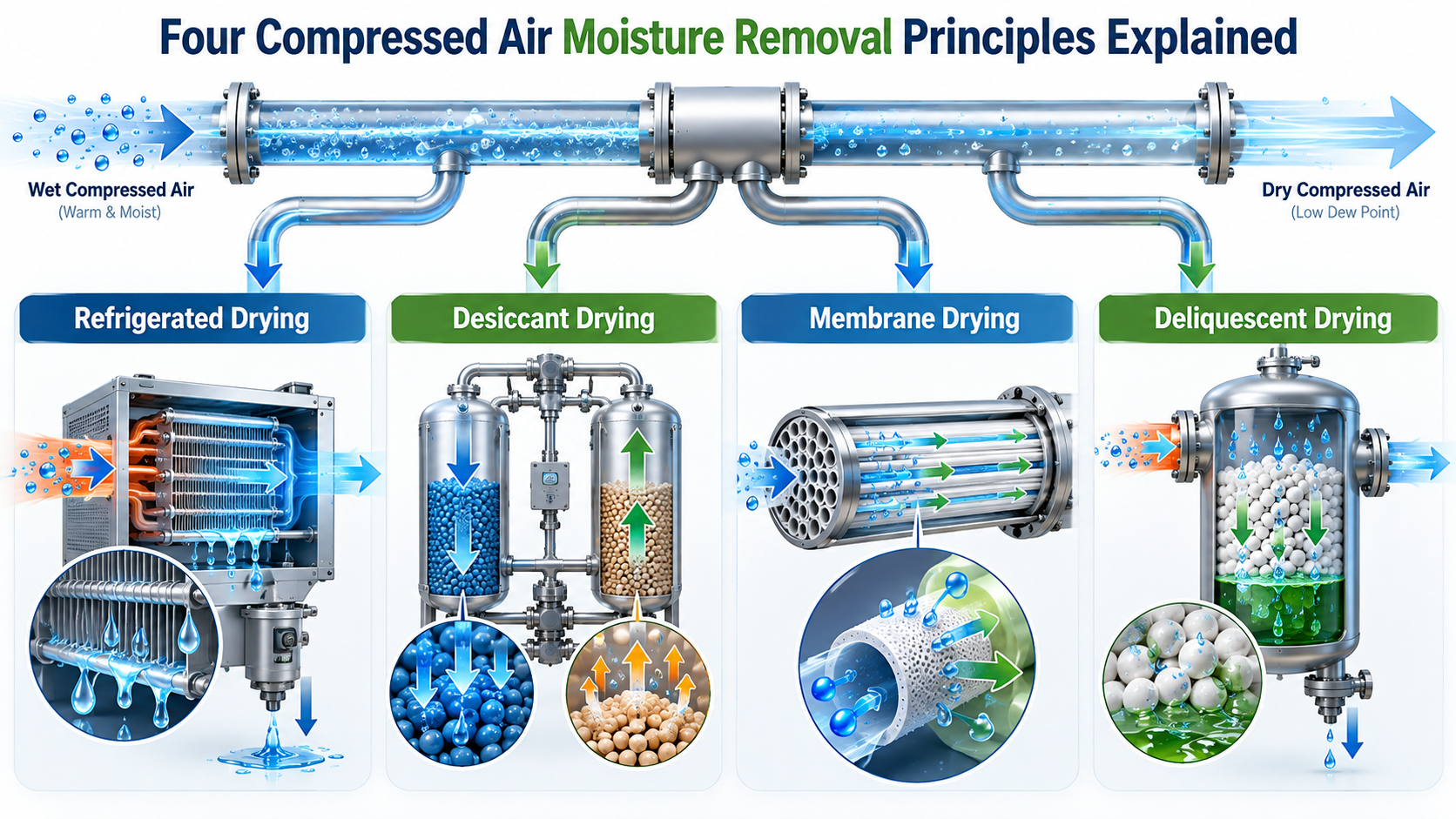
Lingyu offers multiple desiccant air dryer solutions for different airflow, dew-point, and regeneration requirements.
Where Is the HH Series Used?
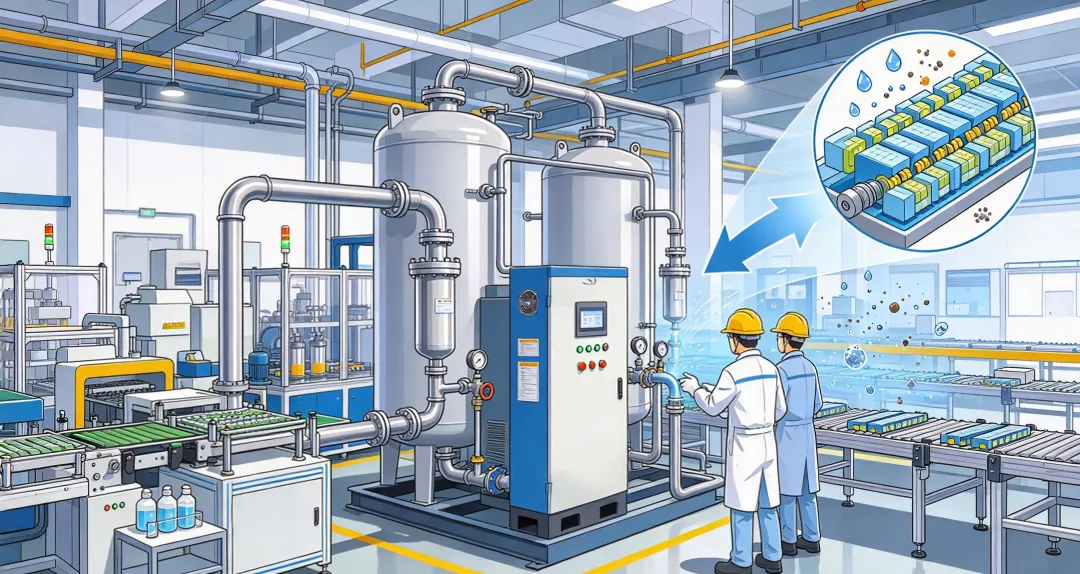
The HH Series is particularly suitable where moisture can affect instruments, products, pneumatic components, or manufacturing stability.
Laboratory and Analytical Equipment
Many laboratory instruments depend on stable, dry compressed air to support reliable measurement and operation.
In laboratory and analytical equipment applications, low-dew-point compressed air can support analyzers, gas chromatographs, pneumatic instruments, and other moisture-sensitive equipment.
Electronics and Semiconductor Manufacturing
Moisture control is important in precision manufacturing environments where pneumatic systems and sensitive processes must remain stable.
For electronics and precision manufacturing, dry compressed air can help protect production equipment and reduce moisture-related process problems.
The same principle applies to semiconductor and PCB manufacturing, where compressed air quality may affect sensitive production stages and automated equipment.
Medical and Dental Applications
Medical and dental compressed air systems can have strict requirements for air cleanliness and dryness.
For medical and dental applications, the adsorption dryer can form part of a broader compressed air purification system configured according to the required final air quality.
Automation and Manufacturing
Heatless adsorption dryers can also serve:
- Pneumatic automation systems
- Robotic machinery
- Instrument air
- Air bearings
- Control systems
- Dry sprinkler systems
- Air-operated equipment
- Industrial test equipment
- Moisture-sensitive manufacturing processes
The required dryer configuration should always be based on actual process conditions rather than industry name alone.
Why Pre-Filtration Is Important
Adsorption dryers are sensitive to contamination.
Liquid water, oil aerosols, and solid particles entering the desiccant bed can reduce adsorption efficiency, increase pressure drop, and shorten desiccant life.
Upstream filtration and condensate separation should therefore be properly designed before the compressed air enters the dryer.
A suitable precision compressed air filter can help remove oil aerosols and particles before they reach the adsorption system.
Depending on final air-quality requirements, downstream filtration may also be installed to capture fine desiccant particles before the air reaches production equipment.
Maintenance Tips for Reliable Performance
A heatless adsorption dryer has a relatively simple regeneration system, but regular maintenance remains essential for long-term performance.
Monitor Outlet Dew Point
Dew point is one of the most useful indicators of dryer condition.
A gradual increase in outlet dew point may indicate desiccant contamination, insufficient regeneration, excessive inlet moisture, abnormal valve operation, or airflow beyond the dryer’s design condition.
Tracking dew-point trends can help identify problems before downstream equipment is affected.
Check Pressure Drop
Pressure drop should be monitored across both the dryer and its filtration system.
An abnormal increase may indicate contaminated filter elements, restricted airflow, desiccant deterioration, or another internal obstruction.
Higher pressure drop also increases compressor energy demand, making it both a maintenance and efficiency issue.
Inspect Switching Valves
Twin-tower adsorption dryers depend on reliable valve switching.
Pneumatic valves, check valves, solenoid valves, and related control components should be inspected regularly for leakage, delayed response, or abnormal operation.
Poor switching can reduce regeneration effectiveness and cause unstable outlet dew point.
Inspect the Desiccant
The HH Series uses activated alumina and high-performance molecular sieve.
Desiccant condition should be evaluated periodically for contamination, dusting, breakdown, or declining adsorption performance. Replacement intervals depend on operating conditions, inlet air quality, maintenance practices, and system loading rather than on a single universal service interval.
Check for Air Leaks
Leaks around fittings, valves, piping, and connections increase compressed air consumption and may affect dryer performance.
Routine leak inspection is particularly important in heatless dryers because compressed air is already being intentionally consumed for regeneration.
Understanding Regeneration Air Consumption
The HH Series uses approximately 8–14% of dry compressed air for regeneration under specified conditions.
This purge air is an inherent part of heatless regeneration. It expands to a lower pressure and passes through the regenerating tower, carrying previously adsorbed moisture out of the system.
Because compressed air is one of the largest energy consumers in many plants, regeneration air should be considered when evaluating total dryer operating cost.
The goal is not simply to minimize purge flow as much as possible. Insufficient regeneration can leave moisture in the desiccant and lead to poor dew-point performance.
Proper operation requires balancing regeneration demand with stable drying performance.
How to Improve Energy Efficiency
Several system-level measures can help improve efficiency without compromising outlet air quality.
First, keep inlet air conditions under control. Effective aftercooling, condensate separation, and filtration reduce unnecessary moisture and contamination entering the dryer.
Second, avoid excessive system pressure. Compressor discharge pressure should be high enough to satisfy downstream requirements, but unnecessary pressure increases energy consumption throughout the compressed air system.
Third, repair air leaks. Leaks increase compressor loading and also increase the amount of air that must be processed by the dryer.
Fourth, monitor filter pressure drop. A clogged filter can create significant energy losses even when the dryer itself is operating normally.
If operating conditions vary considerably, optional dew-point monitoring and control can also help operators better understand actual drying performance and optimize system operation.
Heatless Drying Versus Other Regeneration Methods
Heatless regeneration offers several practical advantages.
It does not require an electric regeneration heater, which simplifies the equipment structure and reduces the number of heating-related components that require maintenance.
However, this simplicity comes with higher compressed air consumption for regeneration compared with some heated or low-purge adsorption technologies.
The HH Series is therefore particularly suitable when:
- A ≤−40°C pressure dew point is required
- System simplicity is important
- Reliable continuous drying is a priority
- Purge-air consumption is acceptable for the application
- Maintenance resources favor a straightforward regeneration system
For larger compressed air systems where regeneration energy represents a significant operating cost, other adsorption technologies may also be worth evaluating.
Key Benefits of the HH Series
The HH Series combines low-dew-point drying with a straightforward heatless regeneration process.
Its main advantages include:
- Stable outlet pressure dew point
- Activated alumina and high-performance molecular sieve
- Simple heatless regeneration
- Reliable twin-tower operation
- Adjustable regeneration gas consumption
- Long-term desiccant performance when properly maintained
- Convenient routine maintenance
- Optional dew-point monitoring and control
- Standard capacities covering a wide range of industrial airflow requirements
These features make it a practical option for compressed air systems where dependable moisture control is more important than minimizing regeneration air at all costs.
Choosing the Right Compressed Air Treatment System
A dryer is only one component of a complete compressed air purification system.
Airflow, operating pressure, temperature, oil content, particle level, target dew point, filtration, drainage, and downstream process requirements should be considered together.
Correct system design helps protect the desiccant, maintain stable dew-point performance, reduce unnecessary pressure loss, and improve overall equipment reliability.
If you need help selecting an HH Series dryer for your application, contact Lingyu with your airflow, inlet pressure, inlet temperature, required pressure dew point, compressor type, and operating conditions.