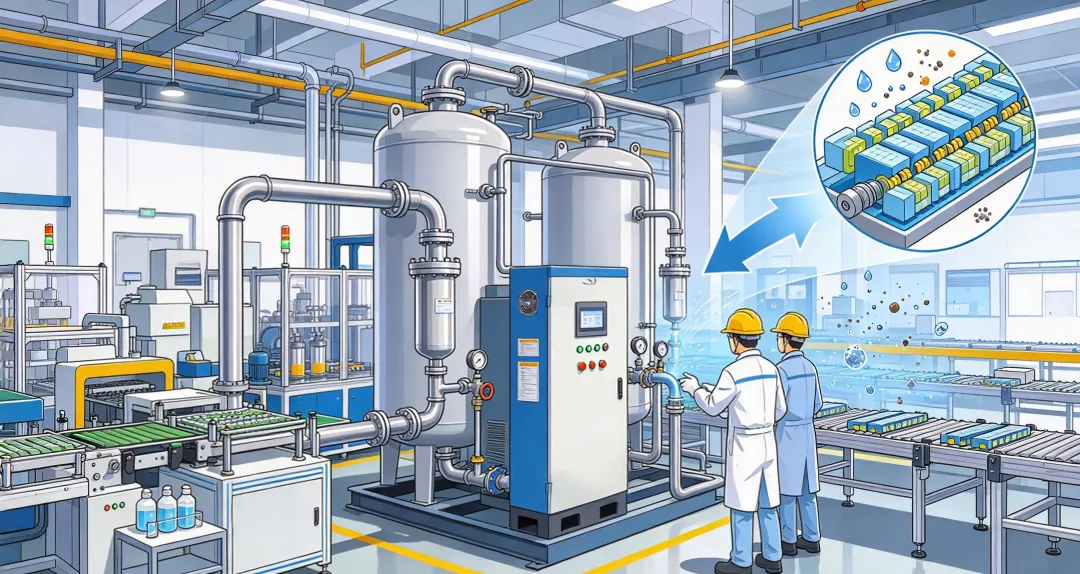
Pharmaceutical and medicinal manufacturing often requires tight control over production conditions, including gas purity, moisture, oxygen exposure, pressure, and process consistency.
For facilities that use nitrogen regularly, an on-site nitrogen generator can provide a controlled source of nitrogen directly from compressed air rather than depending entirely on cylinders or bulk deliveries.
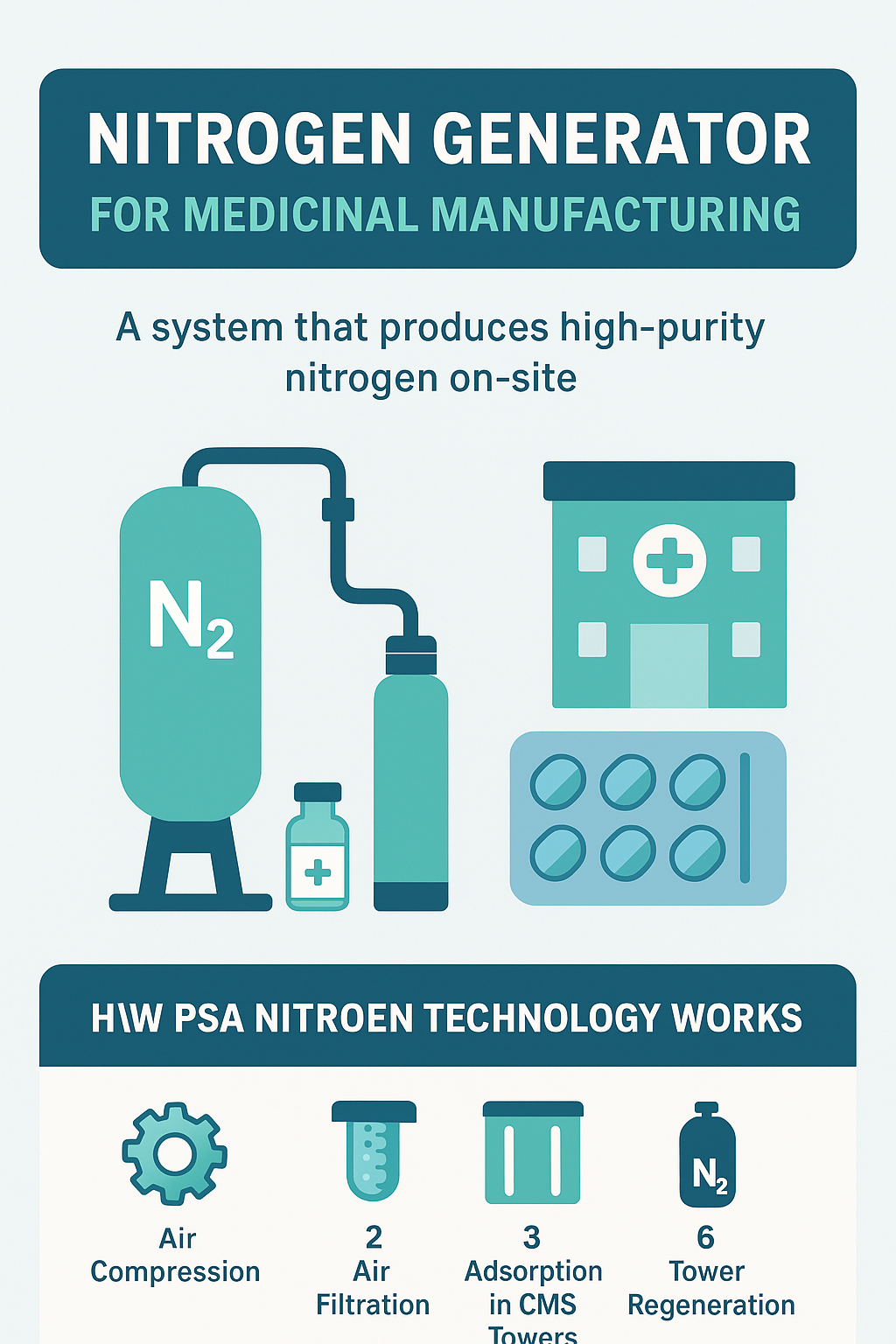
In Lingyu’s product range, this is achieved through Pressure Swing Adsorption (PSA) technology. PSA nitrogen generators use Carbon Molecular Sieve (CMS) and alternating adsorption towers to separate nitrogen from compressed air and provide a continuous product-gas supply at the required purity.
This makes on-site nitrogen generation relevant to pharmaceutical and medicinal production processes where controlled nitrogen atmospheres are required.
What Is a Nitrogen Generator?
A nitrogen generator is a system that separates nitrogen from compressed ambient air and supplies the resulting nitrogen-rich gas directly to the user’s process.
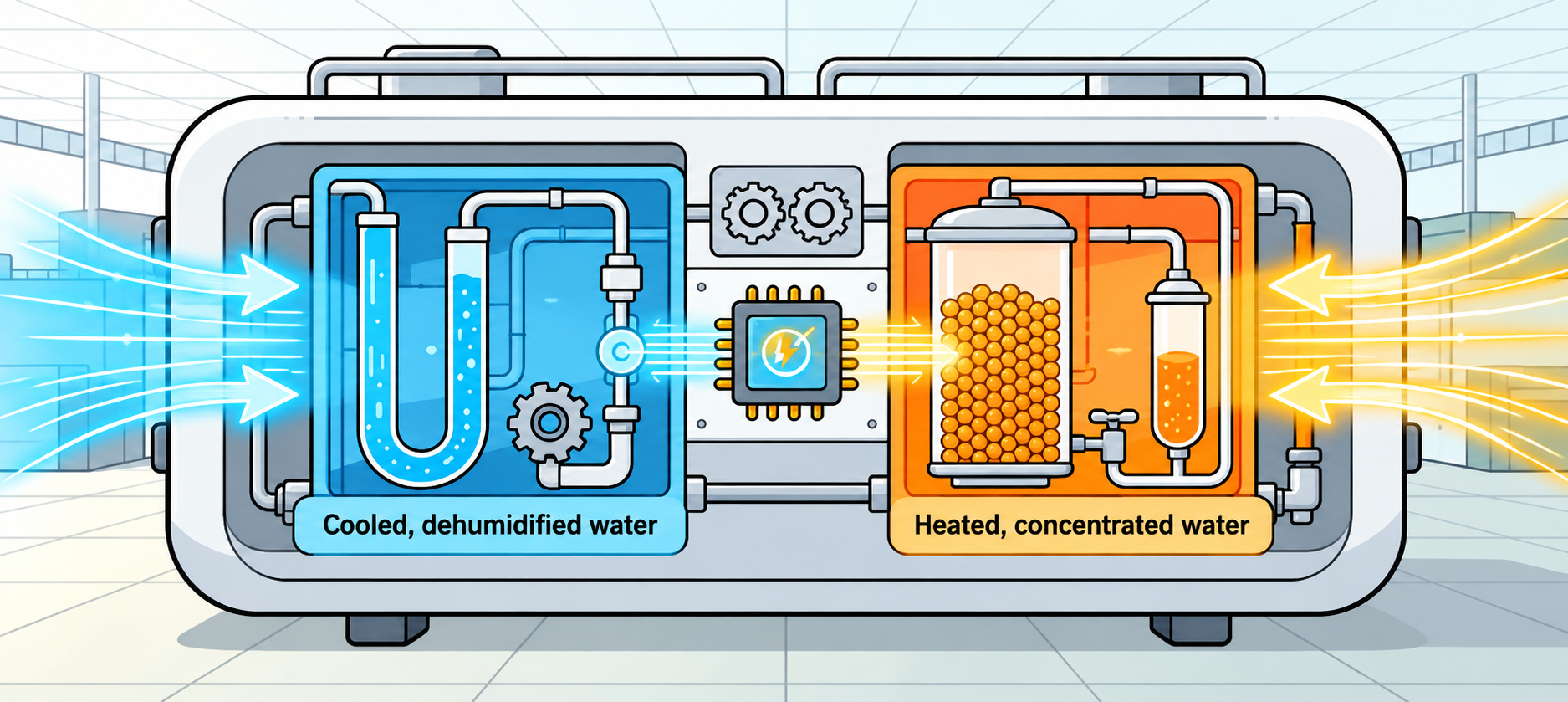
Lingyu’s PSA system uses two adsorption towers filled with Carbon Molecular Sieve. Oxygen is preferentially adsorbed by the CMS while nitrogen passes through as product gas. The towers alternate between adsorption and regeneration under automatic PLC control, enabling continuous nitrogen production.
For readers unfamiliar with the basic process, this guide explains how a nitrogen generator works.
Why Is Nitrogen Used in Medicinal Manufacturing?
Nitrogen is useful where a process requires reduced exposure to oxygen or a controlled gas atmosphere.
In medicinal and pharmaceutical manufacturing, nitrogen may be used around storage vessels, process equipment, transfer lines, packaging systems, or other production stages where oxygen-sensitive materials need to be protected.
The important distinction is that a nitrogen atmosphere does not make a process sterile by itself.
Nitrogen can help reduce oxygen exposure, but sterility, microbial control, and GMP compliance depend on the complete validated manufacturing process, equipment design, sanitation procedures, filtration, environmental controls, and applicable pharmaceutical requirements.
For a broader pharmaceutical-specific overview, see nitrogen generators for the pharmaceutical industry.
Where Can Nitrogen Be Used in Pharmaceutical Production?
1. Tank Blanketing and Inerting
Nitrogen can be introduced into the headspace of tanks or vessels to reduce contact between the stored product and atmospheric oxygen.
This type of blanketing may be useful for oxygen-sensitive raw materials, intermediates, or finished products where limiting oxidation is part of the process requirement.
The required nitrogen purity should be determined by the product and process rather than assuming that every pharmaceutical operation needs the highest available purity.
2. Packaging and Filling
Nitrogen may be used during packaging or filling processes where oxygen needs to be displaced from a container or package headspace.
Potential applications can include bottles, vials, bags, or other packaging formats, depending on the product and filling process.
The required nitrogen purity, pressure, flow, and microbiological controls should be defined by the manufacturer’s validated production requirements rather than by the nitrogen generator alone.
For application-specific system considerations, see nitrogen generators for medicinal manufacturing.
3. Pipeline and Vessel Purging
Nitrogen can be used to purge pipelines, tanks, and process equipment where residual oxygen or atmospheric air needs to be reduced before a production or transfer step.
Purging requirements depend on vessel volume, target oxygen concentration, operating pressure, process design, and the material being handled.
4. Process Pressurization
Some production systems use nitrogen as a process or pressure-control gas.
Because requirements vary greatly between applications, the nitrogen supply should be sized according to both steady-state consumption and peak flow demand rather than average consumption alone.
5. Selected Drying or Controlled-Atmosphere Processes
Nitrogen may also be used in selected pharmaceutical processes where a dry or controlled atmosphere is required.
Whether nitrogen is used in a specific drying or lyophilization process depends on the equipment and validated process design. It should therefore be treated as an application-specific requirement rather than a universal requirement for freeze-drying.
Why Nitrogen Purity Matters
One of the key advantages of PSA technology is that nitrogen purity can be matched to the actual process requirement.
Lingyu’s PSA nitrogen generator is specified for a nitrogen purity range of approximately 95%–99.999%, with a nitrogen dew point of ≤−40°C under the listed operating conditions. Available configurations include approximately 99.0%, 99.5%, 99.9%, 99.99%, and 99.999% purity.
This does not mean pharmaceutical production automatically requires 99.999% nitrogen.
Higher purity can increase compressed-air requirements and affect system sizing and operating cost. The appropriate purity should therefore be based on the actual product, process specification, residual-oxygen requirement, and applicable quality system.
For equipment selection, see the PSA nitrogen generator selection guide.
How Does a PSA Nitrogen Generator Maintain Stable Gas Quality?
In pharmaceutical production, generating nitrogen is only part of the requirement. The system must also identify whether the product gas meets the specified operating condition.
Lingyu’s PSA generator continuously monitors nitrogen purity and flow rate. If nitrogen purity falls below the specified level, an alarm can be triggered. If the off-spec condition persists for a preset period, the system can automatically shut down for protection.
The system configuration also includes a nitrogen/oxygen analyzer and an off-spec nitrogen outlet.
These monitoring and protection functions are particularly useful in processes where a defined nitrogen specification needs to be maintained consistently.
For common causes of quality problems, see why a PSA nitrogen generator may produce impure nitrogen.
What If Pharmaceutical Production Requires Very High Purity?
Some processes may require residual oxygen levels lower than those provided by a standard PSA configuration.
Lingyu’s Carbon-Based Deoxygenation Purification System is designed to further purify nitrogen produced by a PSA generator, upgrading feed nitrogen of approximately 99.9% purity to ≥99.999%.
Its key technical parameters include:
- Nitrogen purity: ≥99.999%
- Oxygen content: ≤10 ppm
- CO₂ content: ≤5 ppm
- Nitrogen atmospheric dew point: ≤−60°C
- Nitrogen capacity: 10–800 m³/h
These operating parameters are specified for the carbon-based deoxygenation purification system.
The purification stage reduces residual oxygen through a carbon-based deoxygenation reaction. The gas then undergoes CO₂ and moisture removal followed by precision filtration.
For processes that specifically require very high nitrogen purity, see high-purity nitrogen generator solutions.
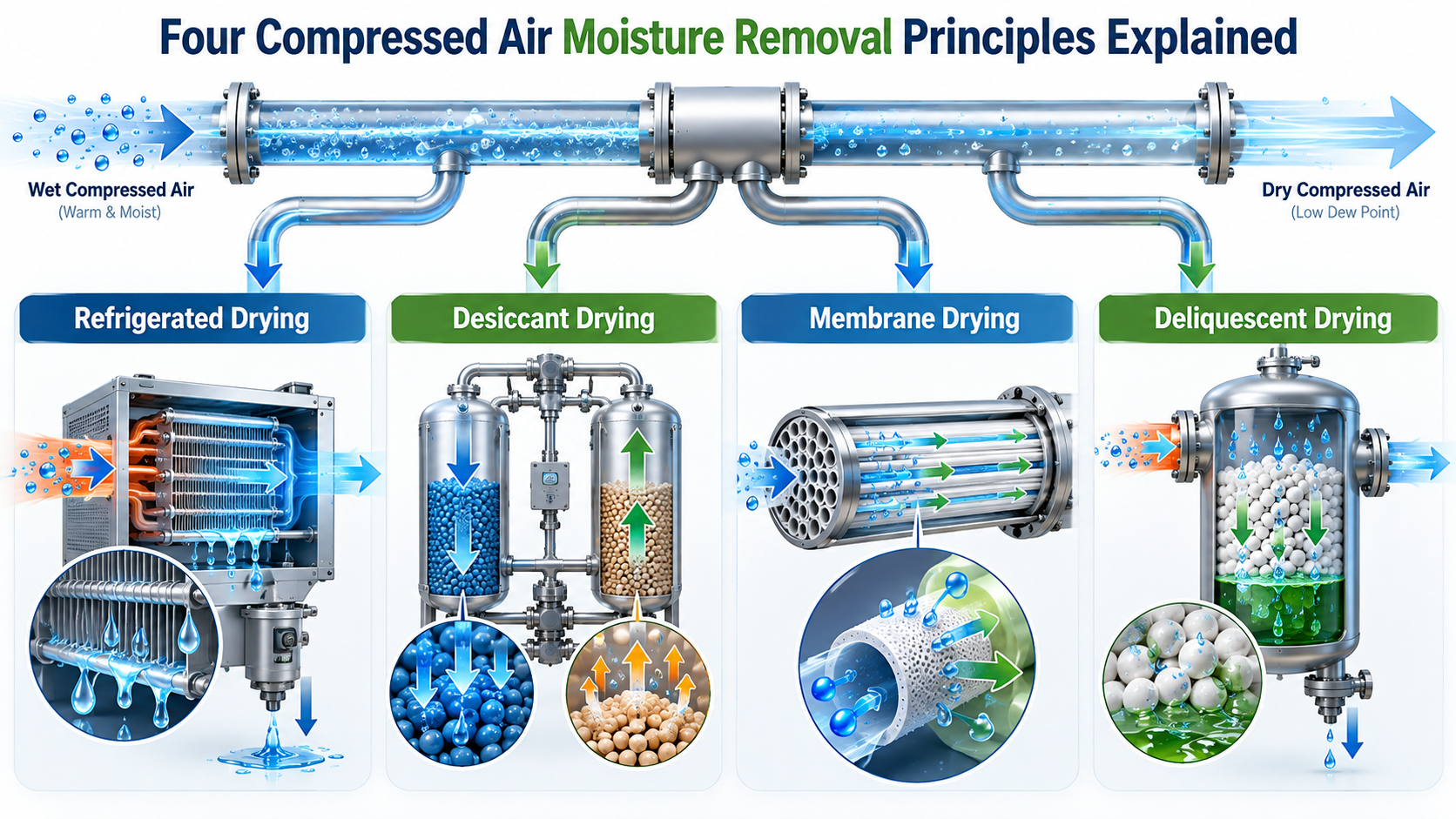
Why Compressed Air Treatment Matters
A PSA nitrogen generator depends on properly treated compressed air.
A complete Lingyu PSA nitrogen generation configuration can include an air compressor, air receiver tank, refrigerated air dryer, air-treatment equipment, buffer tank, PSA adsorption towers, nitrogen buffer tank, nitrogen/oxygen analyzer, off-spec nitrogen outlet, and product-gas controls.
Drying and filtration therefore form part of the complete nitrogen-generation system.
Moisture, oil, and particulate contamination should be controlled before compressed air reaches the CMS adsorption beds because feed-air quality affects overall system stability and adsorbent service conditions.
This is particularly relevant in pharmaceutical facilities, where utility requirements must be considered as part of the broader process-quality and validation system.
Advantages of On-Site Nitrogen Generation
For a facility with recurring nitrogen consumption, an on-site generator can reduce reliance on cylinder deliveries and provide nitrogen directly at the production site.
Other practical advantages can include automatic operation, adjustable purity, online purity monitoring, and continuous production.
Lingyu’s PSA system includes automatic start/stop, PLC-controlled pneumatic valves, online purity and flow monitoring, and automated tower switching.
However, an on-site generator does not eliminate all safety considerations. Compressed air, pressure vessels, piping, electrical systems, and oxygen-deficient atmospheres still require appropriate engineering and operating controls.
Likewise, lower operating cost or lower carbon emissions should not be assumed for every installation. The result depends on nitrogen consumption, electricity use, compressor efficiency, transportation distances, maintenance, utilization rate, and the alternative gas-supply method.
For facilities evaluating the economics, see the nitrogen generator cost and ROI guide.
How to Choose a Nitrogen Generator for Medicinal Manufacturing
Selection should begin with the actual process specification.
Important factors include required nitrogen purity, acceptable residual oxygen, nitrogen flow rate, peak demand, delivery pressure, dew point, feed-air quality, available installation space, operating hours, monitoring requirements, and maintenance strategy.
The nitrogen generator should also be evaluated as part of the facility’s own qualification and validation requirements.
GMP compliance should be assessed at the process and facility level according to the applicable requirements and supporting documentation rather than assumed solely from the use of a PSA nitrogen generator.
For a more detailed technical comparison of models and capacities, see the nitrogen generator specifications guide.
Lingyu’s Experience in Pharmaceutical Applications
Lingyu has supplied compressed air treatment equipment for pharmaceutical-sector applications, including refrigerated air dryers and modular adsorption dryers. Its project experience also includes pharmaceutical and pharmaceutical-and-food industry compressed air treatment applications.
These applications demonstrate experience with compressed air purification equipment in pharmaceutical production environments. However, nitrogen-generation equipment should be evaluated separately according to the specific pharmaceutical process and nitrogen requirements.
Final Thoughts
A nitrogen generator for medicinal manufacturing can provide a controlled on-site nitrogen supply for pharmaceutical processes that require reduced oxygen exposure, inerting, purging, packaging, pressurization, or other controlled-atmosphere applications.
Lingyu’s PSA nitrogen generation technology uses Carbon Molecular Sieve and alternating adsorption towers to continuously produce nitrogen at purities ranging from approximately 95% to 99.999%, with real-time purity and flow monitoring and off-spec protection.
Where even lower residual oxygen levels are required, an additional carbon-based deoxygenation purification stage can further increase nitrogen purity to ≥99.999%, with ≤10 ppm oxygen, ≤5 ppm CO₂, an atmospheric dew point of ≤−60°C, and a nitrogen capacity of 10–800 m³/h.
The key is to select the nitrogen system according to the actual purity, flow, pressure, dew point, monitoring, validation, and process requirements of the medicinal manufacturing application—not simply to specify the highest available purity.