A proper air compressor dryer setup is essential for ensuring clean, dry, and reliable compressed air in industrial applications. Moisture in compressed air can cause corrosion, equipment failure, product contamination, and increased maintenance costs. By designing and installing the correct dryer setup, businesses can significantly improve system efficiency, air quality, and operational reliability.
This guide explains what an air compressor dryer setup is, why it matters, and how to configure it correctly for optimal performance.
What Is an Air Compressor Dryer Setup?
An air compressor dryer setup refers to the complete arrangement of components used to remove moisture from compressed air before it reaches downstream equipment. It typically includes:
Air compressor
Aftercooler (optional or built-in)
Air receiver tank
Air dryer (refrigerated or desiccant)
Pre-filters and after-filters
Condensate drain system
Piping and control valves
Each component plays a critical role in delivering dry, high-quality compressed air to production processes.
Why Proper Air Compressor Dryer Setup Is Important
When air is compressed, its temperature rises and water vapor becomes concentrated. As the air cools, moisture condenses inside pipelines and equipment. Without an effective dryer setup, this moisture can lead to:
Rust and corrosion in air lines and tools
Malfunction of pneumatic equipment
Poor product quality
Increased downtime and maintenance costs
Failure to meet industry standards
A correctly designed air compressor dryer setup eliminates these risks and ensures consistent air quality.
Typical Air Compressor Dryer Setup Configuration
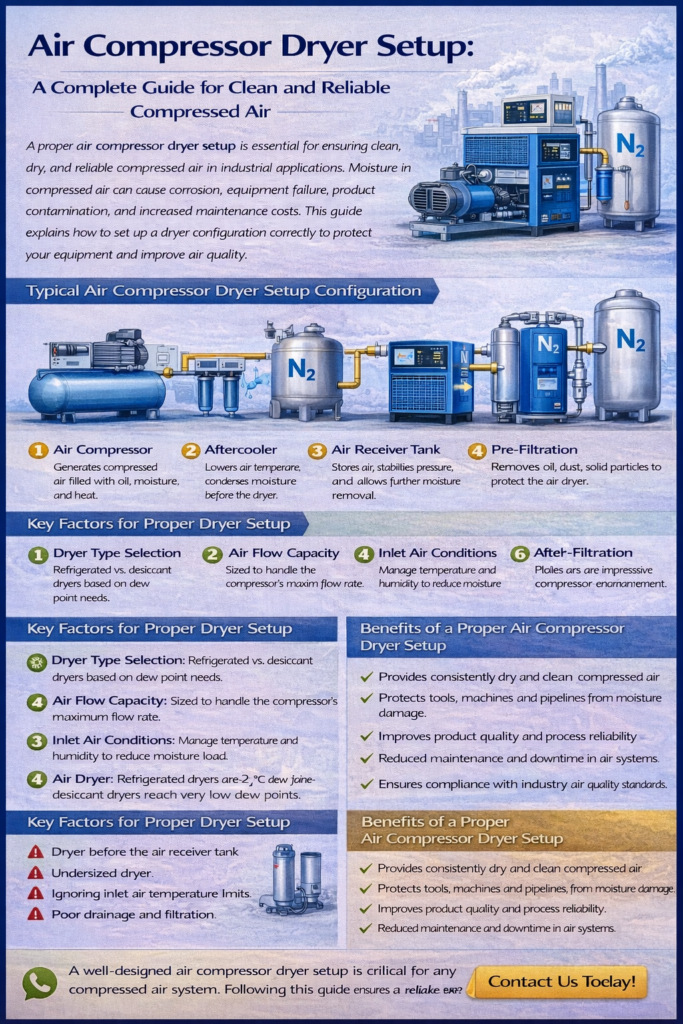
A standard air compressor dryer setup follows this sequence:
1. Air Compressor
The compressor generates compressed air. Oil, moisture, and heat are introduced at this stage.
2. Aftercooler
The aftercooler reduces air temperature, allowing a large portion of moisture to condense before entering the dryer. This improves dryer efficiency and reduces load.
3. Air Receiver Tank
The air tank stabilizes pressure, stores compressed air, and allows additional moisture to settle out.
4. Pre-Filtration
Pre-filters remove oil, dust, and solid particles, protecting the air dryer and improving its performance.
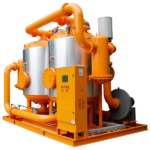
5. Air Dryer
Refrigerated air dryers are used for general industrial applications with pressure dew points around 2–7°C.
Desiccant air dryers are used when very low dew points are required, such as in pharmaceuticals or electronics manufacturing.
6. After-Filtration
After-filters remove any remaining particles or oil vapor to ensure clean air reaches the application.
7. Condensate Drain System
Automatic drains remove collected water without wasting compressed air.
Key Factors to Consider in an Air Compressor Dryer Setup
Dryer Type Selection
Choose a refrigerated or desiccant dryer based on your required pressure dew point and application sensitivity.
Air Flow Capacity
The dryer must be sized to handle the compressor’s maximum flow rate, including future expansion.
Inlet Air Conditions
High inlet temperatures or humidity increase moisture load. Proper cooling and drainage are essential.
Installation Location
Install the dryer in a clean, well-ventilated area with adequate space for maintenance and airflow.
Energy Efficiency
Efficient dryer setup reduces power consumption and long-term operating costs.
Common Air Compressor Dryer Setup Mistakes
Installing the dryer before the air receiver tank
Undersizing the dryer for actual air demand
Ignoring inlet air temperature limits
Poor condensate drainage
Insufficient filtration before or after the dryer
Avoiding these mistakes ensures stable dryer operation and longer equipment life.
Benefits of a Proper Air Compressor Dryer Setup
Consistent dry and clean compressed air
Protection of tools, machines, and pipelines
Improved product quality
Reduced maintenance and downtime
Compliance with industry standards
Lower overall operating costs
Conclusion
A well-designed air compressor dryer setup is a critical investment for any compressed air system. By selecting the right dryer type, ensuring correct component placement, and maintaining proper airflow and filtration, businesses can achieve reliable, energy-efficient, and high-quality compressed air.
Whether for general manufacturing or sensitive industrial processes, a professional air compressor dryer setup protects equipment, improves efficiency, and delivers long-term operational value. Contact a trusted compressed air solution provider to design the ideal setup for your specific application.